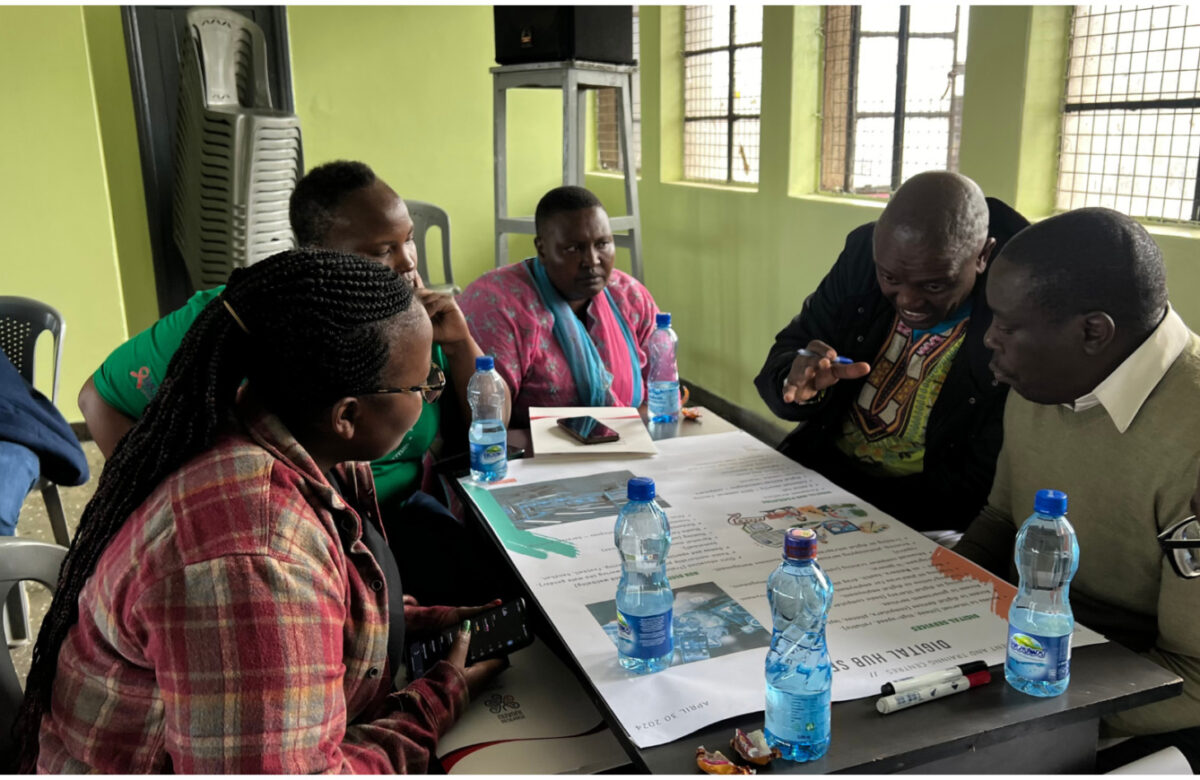
For many community members living near carbon project areas, the carbon market is poorly understood. Projects conduct the required consultations for informed consent, but community members often leave without a clear understanding of what the project does, how it generates revenue or how that revenue will be shared. Several factors contribute to this. Technical carbon concepts do not translate easily into local languages, terms like “carbon credits” lose meaning or context in translation. Crucially, the information-sharing events are often held in hotels in urban centres, making them physically and socially inaccessible to most community members.
What communities see, however, is foreign individuals on their land, restrictions on their movement and risks to their livelihoods. Without adequate understanding of why, this breeds resentment and erodes trust not only in the projects themselves but also in community leadership and governance structures. One observation from the forum stood out: among some community members, carbon revenue has come to be viewed as cursed. This speaks not to irrationality but to a felt sense of exclusion and ambiguity around how benefits flow and to whom.
The distribution of carbon benefits within communities is a significant point of concern. Those who tend to benefit most are community members who already hold power and voice; disproportionately older men. Most of the time, women, who are often the primary stewards of land and natural resources, are frequently excluded from decision-making and benefit-sharing structures. The social development commitments embedded in project design documents present further tension. When carbon revenue reaches communities, it often comes with conditions dictated by external actors rather than by the communities themselves. Revenues received are directed towards social amenities such as schools and water infrastructure, effectively substituting government functions rather than directly improving individual and household livelihoods. It is worth noting that county governments already receive fees from carbon projects operating within their borders.
The forum surfaced a clear appetite from community members, civil society, and technical actors alike for a more equitable and transparent model. Several directions emerged:
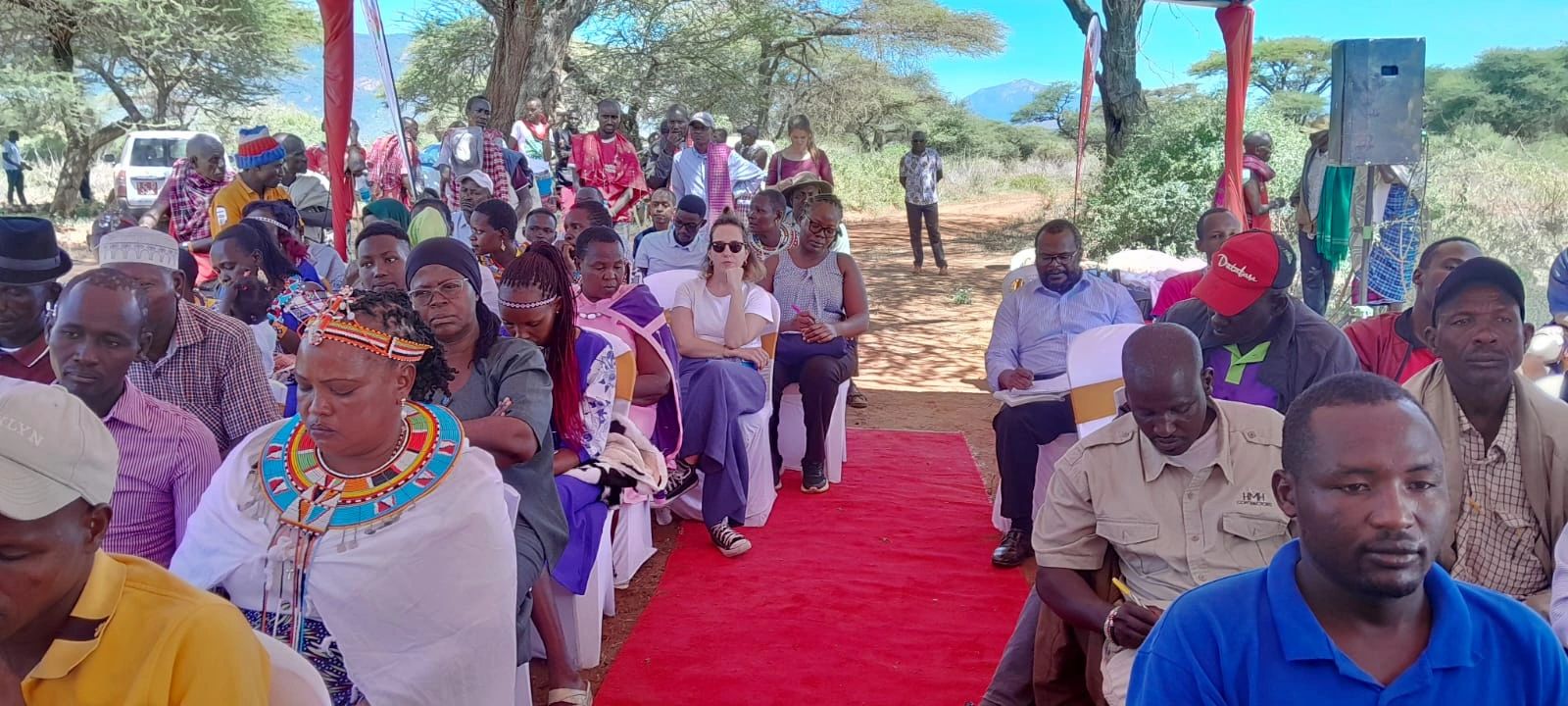
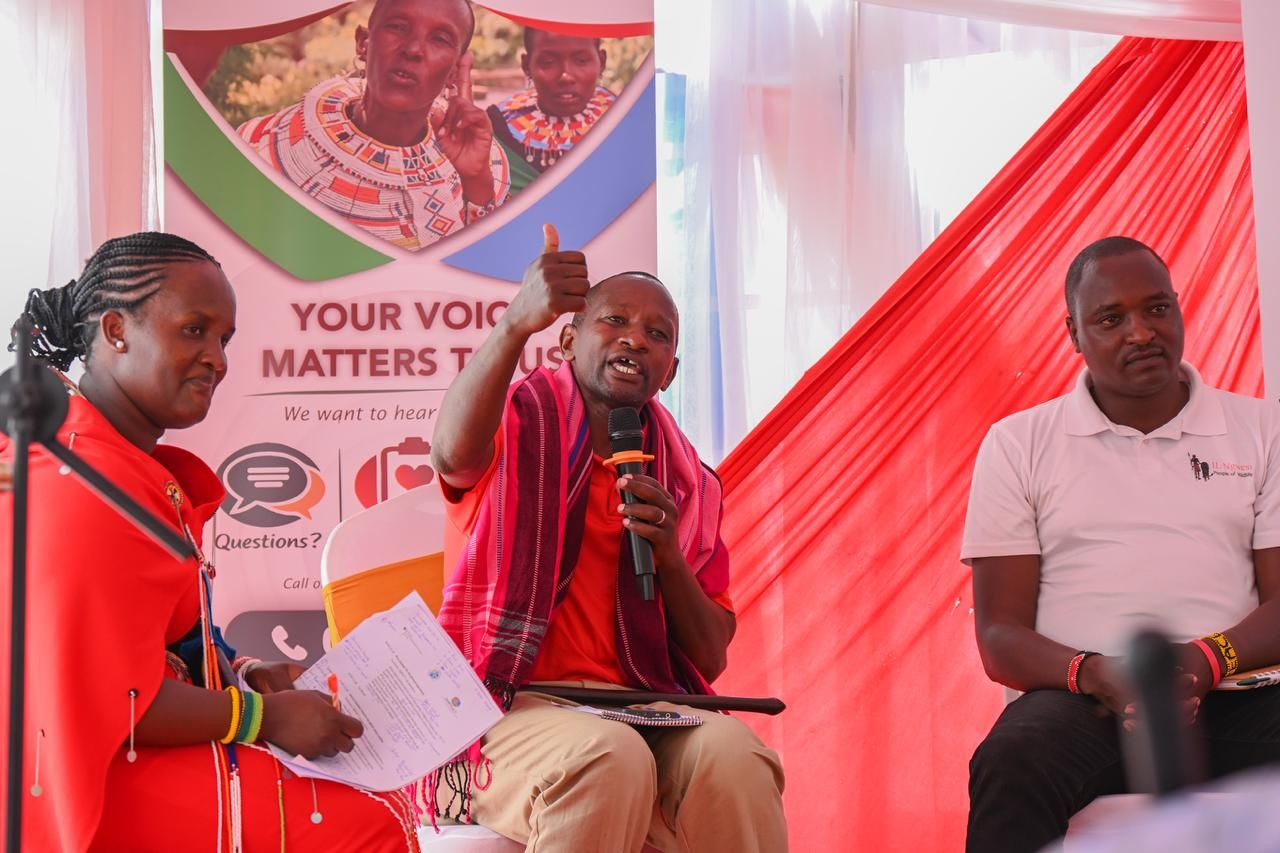
It is important to state clearly: not all nature-based carbon projects in Kenya are falling short. The Il Ngwesi conservancy which hosted this forum is itself a case that demonstrates what community-centred carbon projects can achieve when the conditions are right. Understanding the factors that made Il Ngwesi work is as important as understanding where other projects are falling short. As Kenyan carbon projects work to upgrade their practices to meet the new threshold for Free, Prior and Informed Consent (FPIC), this is an opportune moment to genuinely reconsider the depth of community inclusivity and benefit sharing, not just as a compliance requirement but as a foundation for projects that actually last.
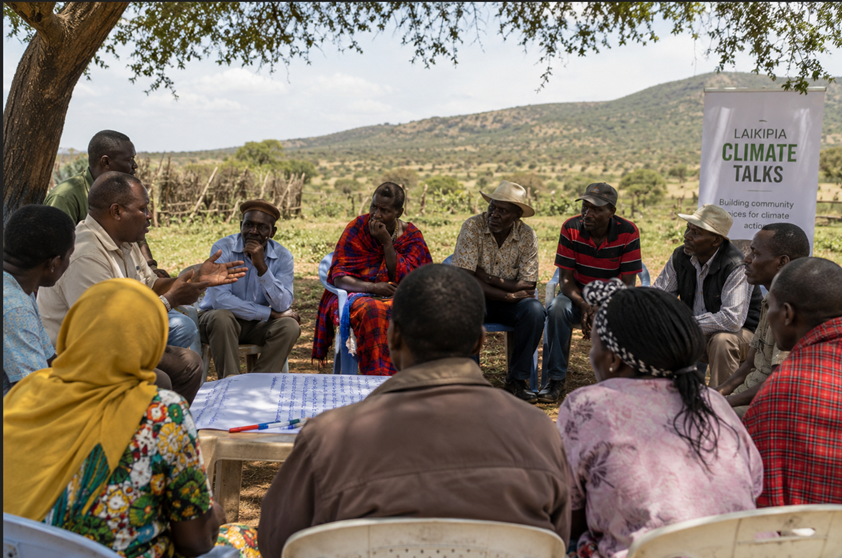
At Nuvoni, we believe that the integrity of carbon markets in Africa depends on the integrity of community relationships within those markets. Research, honest dialogue and policy that reflects on-the-ground realities are essential to getting this right. The Laikipia Climate Talks were a valuable reminder of what is at stake and of the communities whose voices must be at the center of this conversation. We hope to further this discussion with our upcoming webinar at the end of the month.