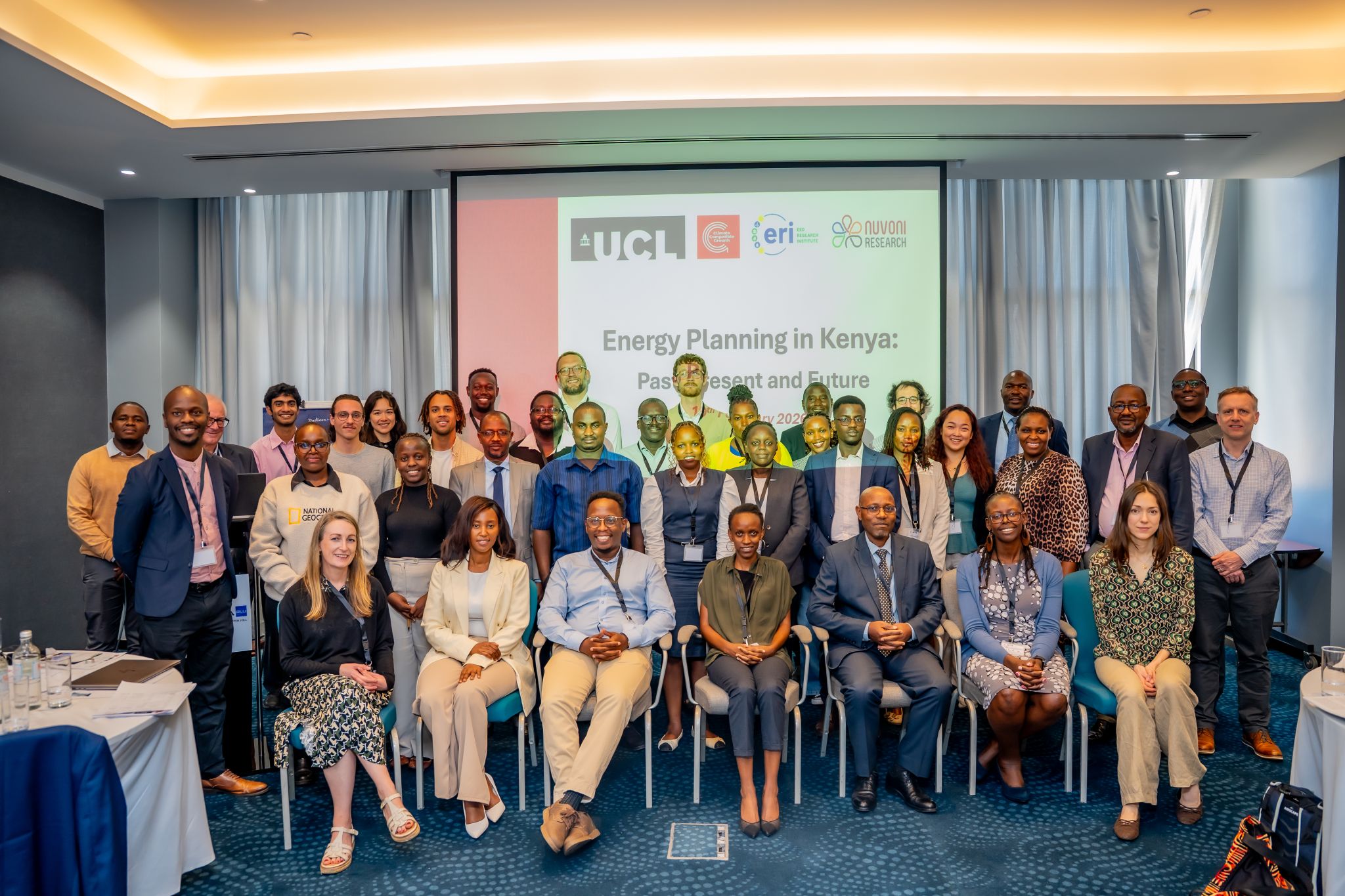
Tracing the Influence of International Energy Modelling Collaborations on Kenya’s Policy Landscape.
Tracing the Influence of International Energy Modelling Collaborations on Kenya’s Policy Landscape. 5 Views shares
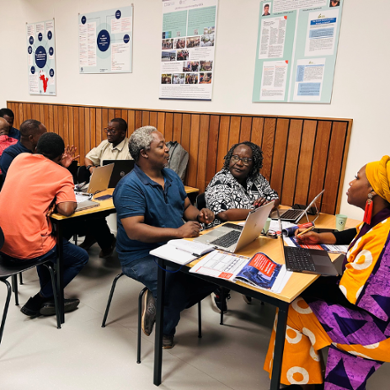
What happens when communities stop asking what went wrong and begin asking what could happen next? In Mukuru, where flooding increasingly shapes how people move, stay, and rebuild their lives, researchers, residents, and government officials came together to imagine multiple possible futures rather than simply document past disasters.
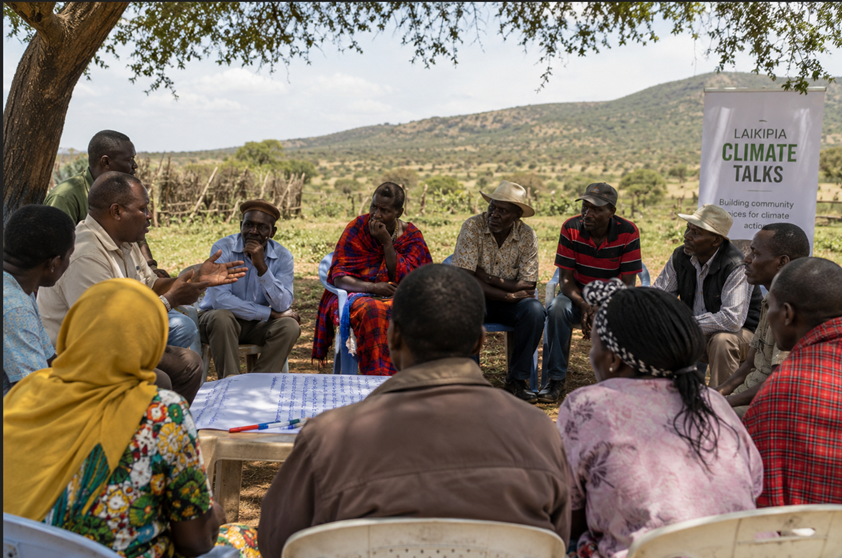
In April 2026, some of our team members attended the Laikipia Climate Talks, which were held at the Il Ngwesi cultural boma. The forum brought together government representatives, civil society, technical experts and local community members for an engaging conversation about what carbon projects are/ and are not delivering for communities in Kenya.
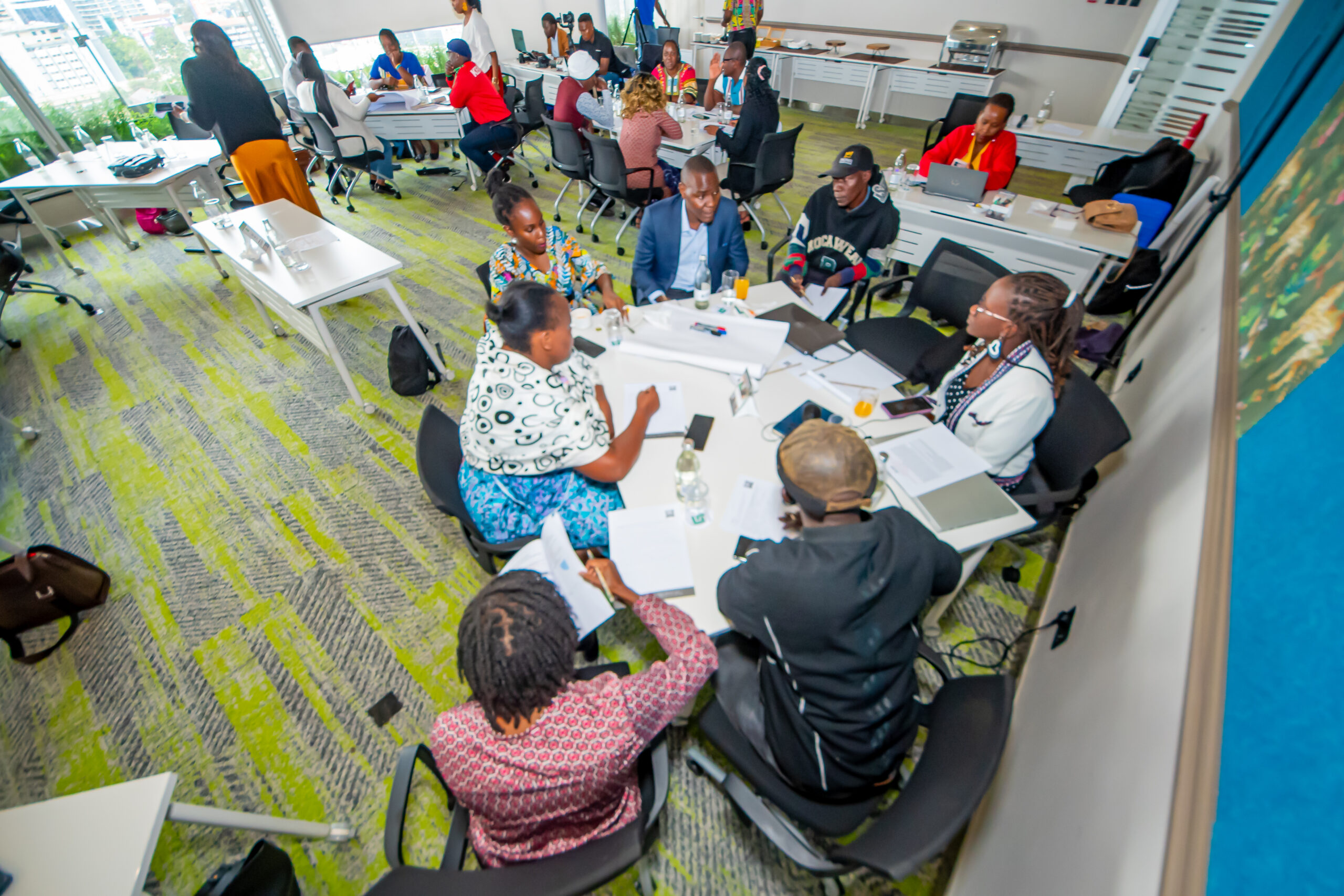
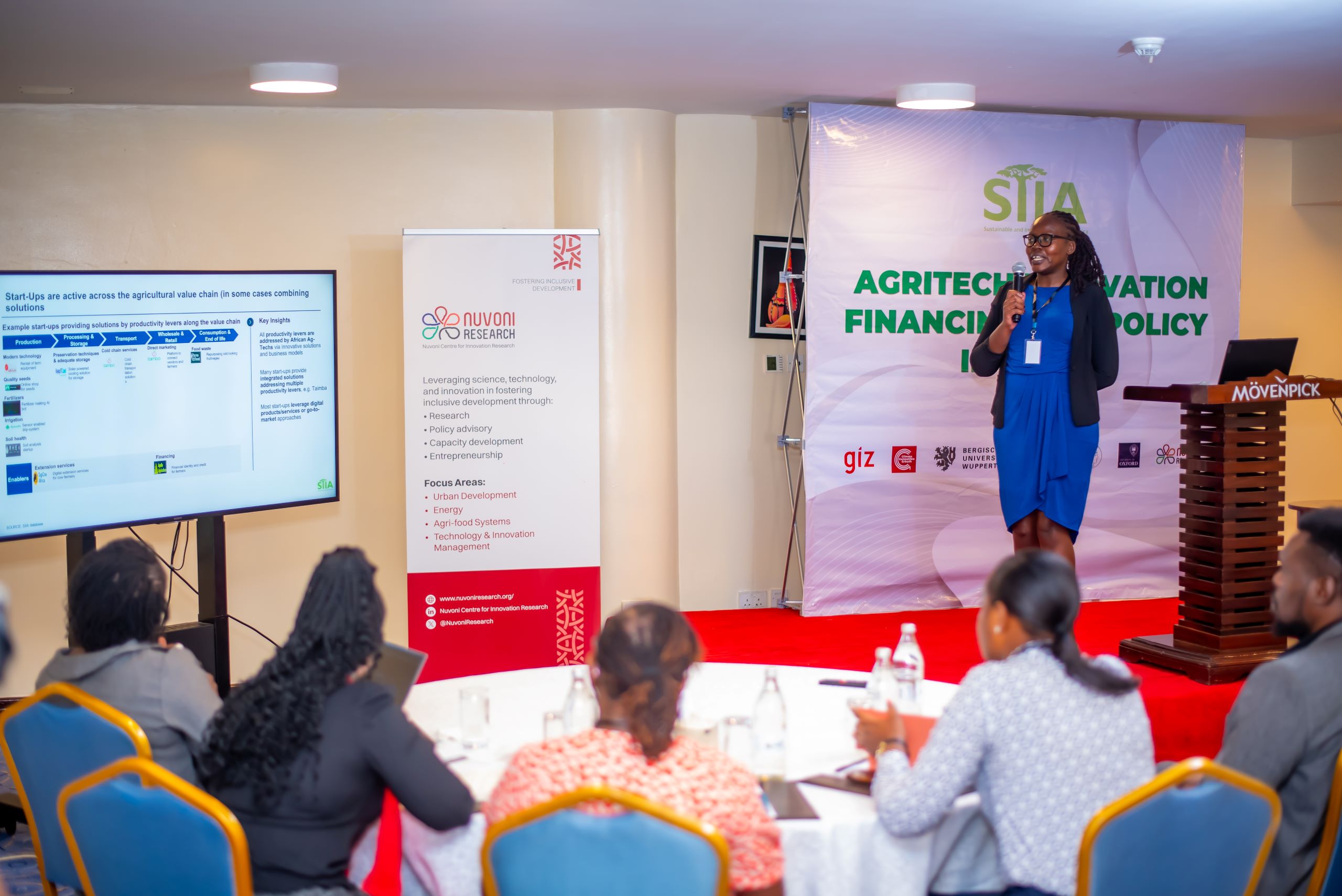
The AgriTech Innovation, Financing and Policy workshop, held on 29th January 2026 in Mövenpick Hotel & Residences Nairobi, convened key stakeholders across Kenya’s agricultural technology ecosystem, including government officials, startups, funders, and development partners.
As COP 30 came to an end in Belem, Brazil, on 22nd November 2025, one of the critical questions people ask themselves is what’s next for the local community. This year’s COP, termed the “Implementation COP,” clearly indicates that the world is now cognizant that all ambitions must be matched with implementation.
For rapidly urbanizing Africa cities where 85% of people are informally employed, where 60% live in informal housing, and where social resilience often lies not in state systems but in organic, community-based networks.
We are pleased to share the final outputs from our project, “The Nairobi River as a Driver for Circular Communities” The aim of the workshop was to demonstrate multiple value creation by local community-based initiatives.
The adverse impacts of climate change seem to be ramping up. These effects are more exacerbated in developing countries where most economies are reliant on the agricultural sector, leaving them exposed to the ravaging effects of extreme weather patterns, water scarcity and soil degradation, which have led to reduced productivity
Reflections from AICCEES 2024: Driving Africa’s Energy Future Written by Nuvoni Post Date October 30, 2024 Category News 38 Views shares X Facebook LinkedIn Introduction The […]
Established institutions, including universities, research organizations, and government bodies, are playing a pivotal role in scaling climate-smart agriculture (CSA).
As the global energy transition gains momentum, Africa faces significant challenges, including the high cost of renewable technologies, limited local technical expertise, and fragmented policies.
The KNeCS offers a powerful new direction for accelerating the clean cooking transition in Kenya, especially by integrating electric cooking (eCooking) into the broader agenda.
No. MK088, Ushindi West Avenue,
Mukuyu Rd (Mukuyu West Wing), Thome 1
Nairobi, Kenya
Office Tel: (+254) 20 8009928 |
Mobile: (+254) 706 324 467
© 2026 Nuvoni Research