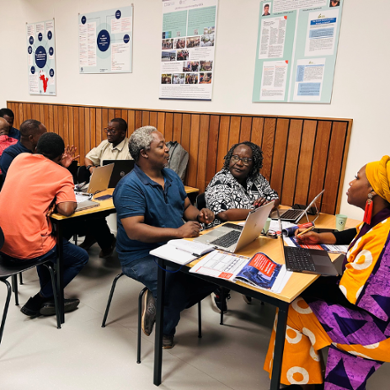
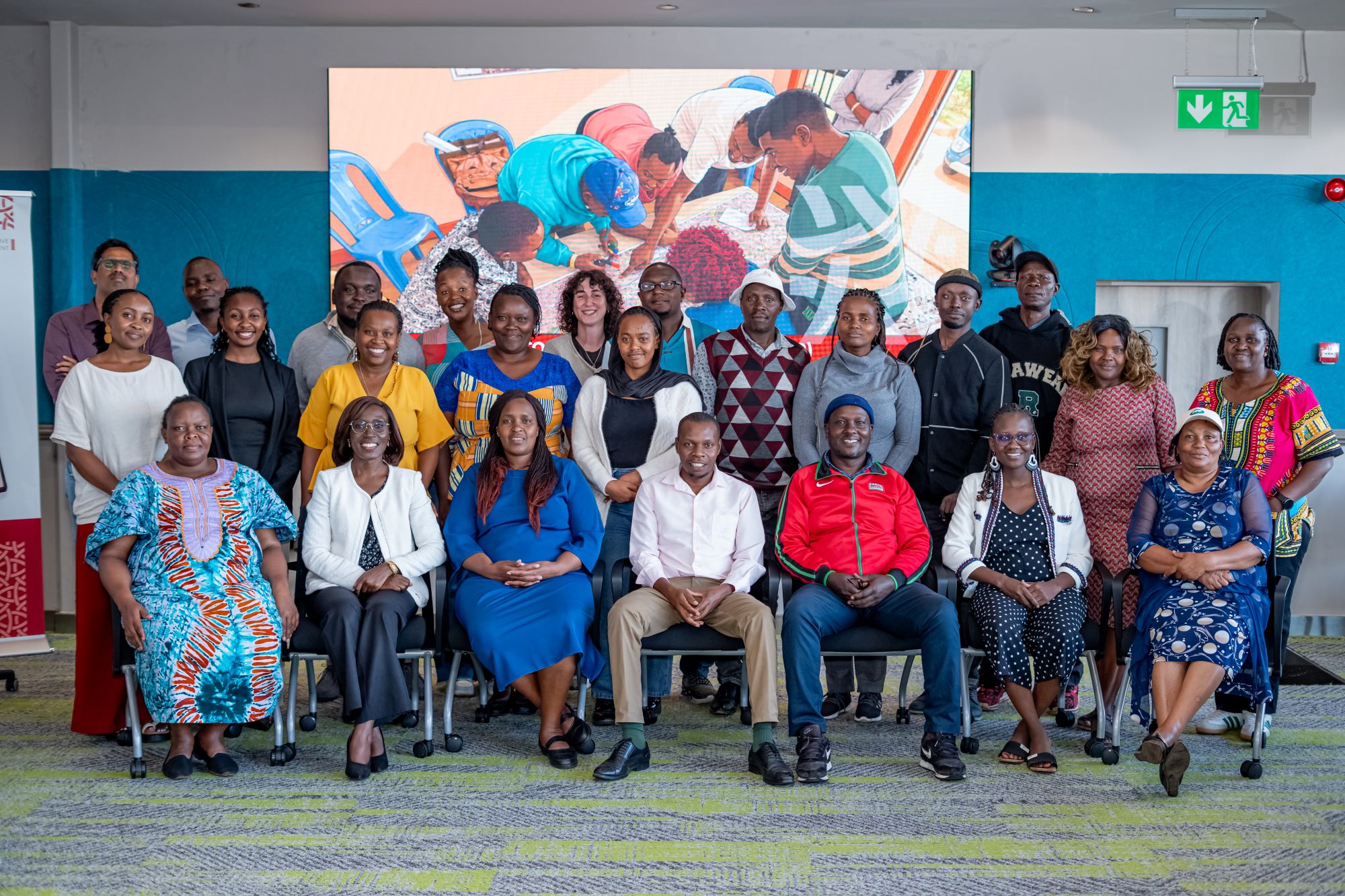
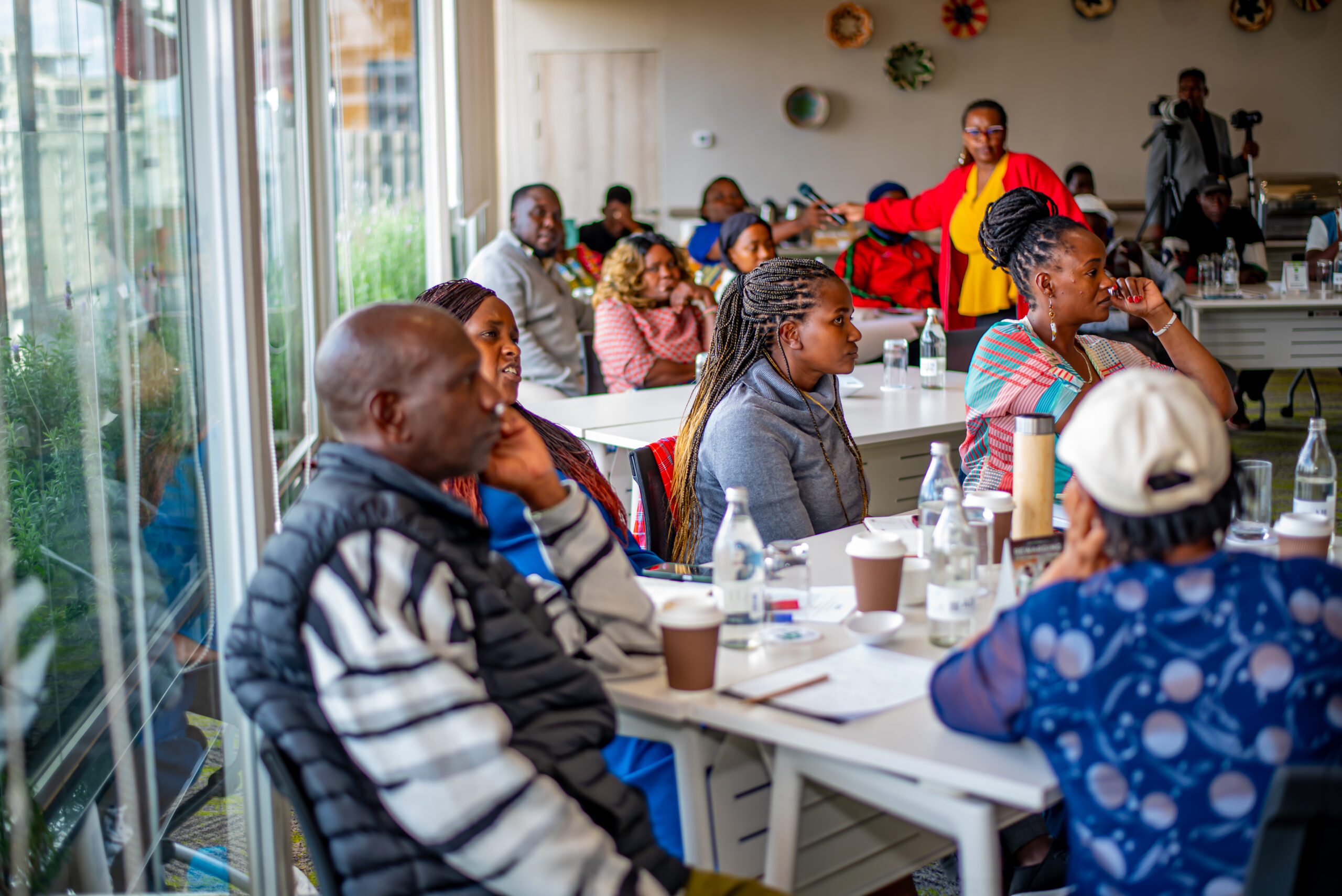
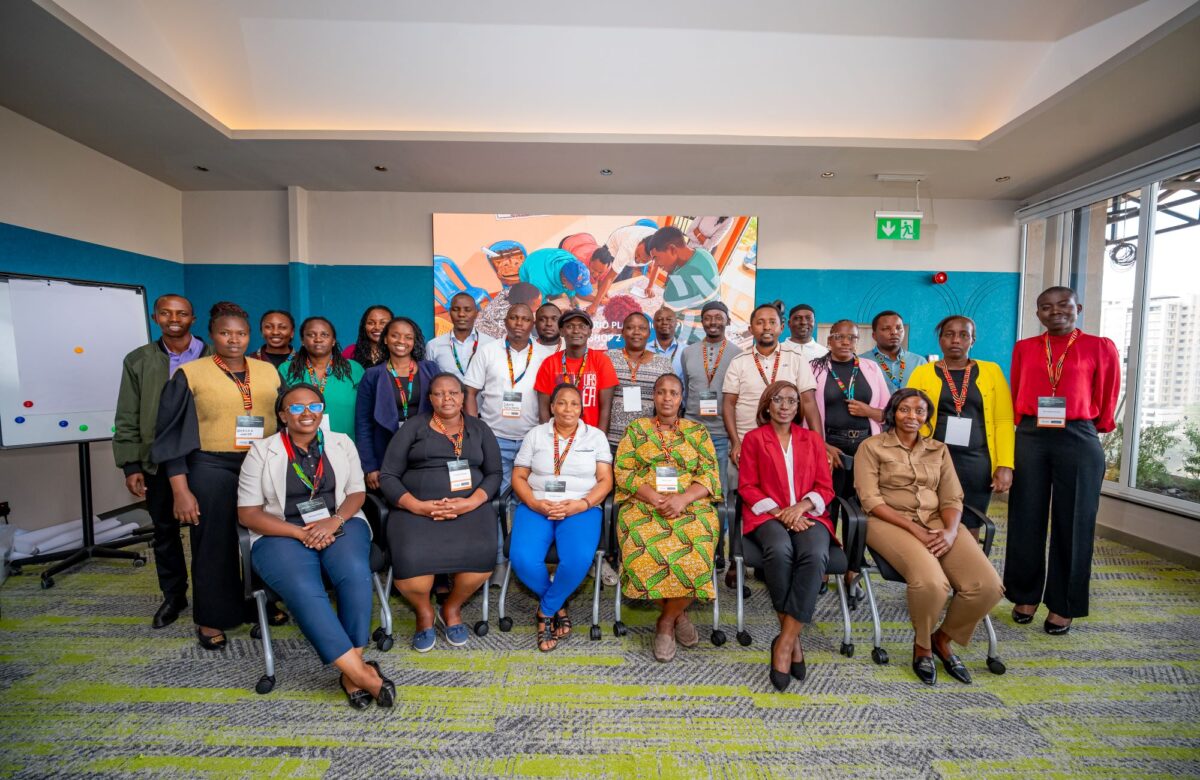
What happens when communities stop asking what went wrong and begin asking what could happen next? In Mukuru, where flooding increasingly shapes how people move, stay, and rebuild their lives, researchers, residents, and government officials came together to imagine multiple possible futures rather than simply document past disasters. The Mukuru XSP Workshop marked a shift from storytelling as reflection to scenario planning as anticipation, using collective imagination to explore how climate mobility could reshape the settlement by 2050.
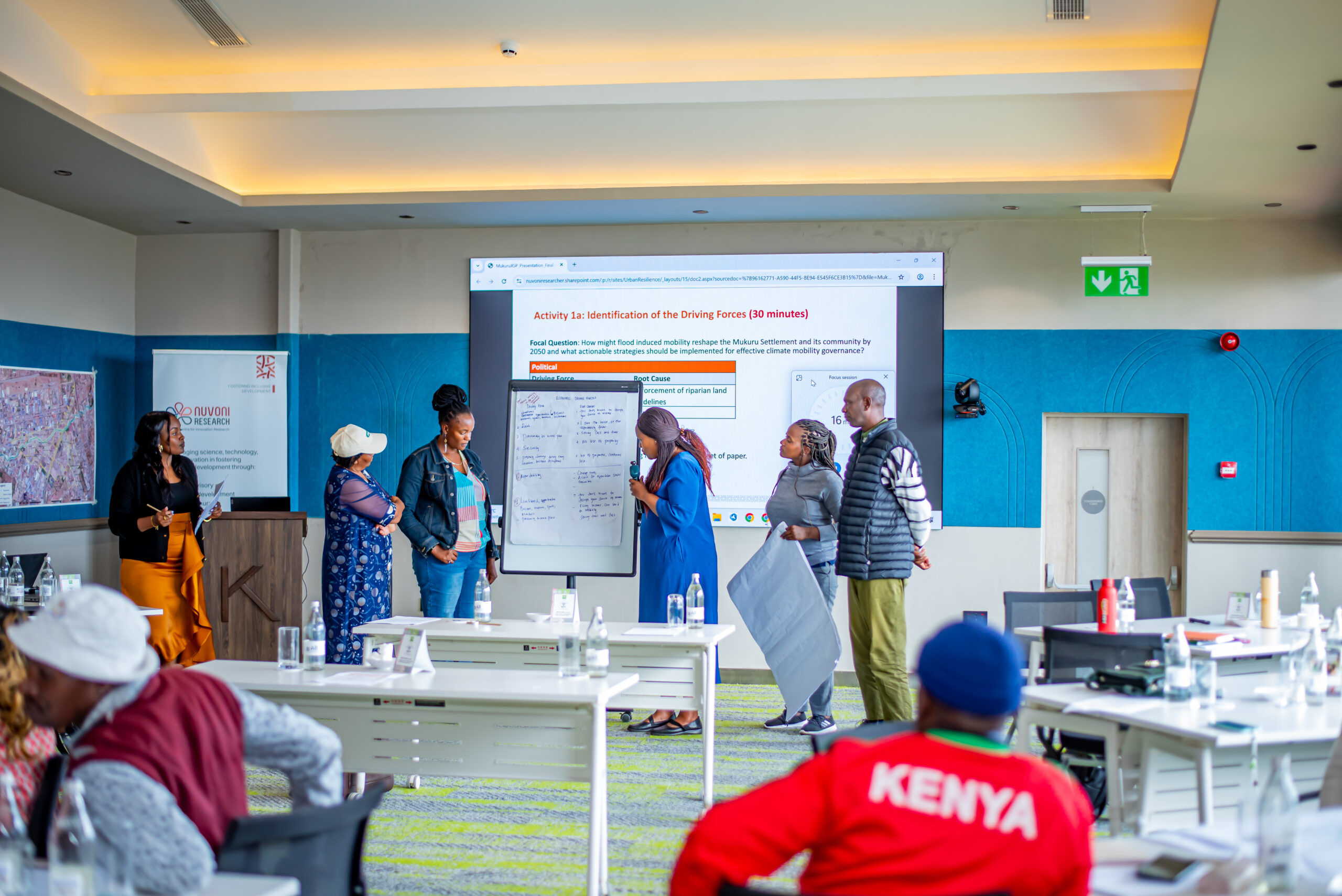
The focal question guiding the day was deliberate and future-oriented:
How might flood-induced mobility reshape Mukuru and its community by 2050, and what actionable strategies should be implemented for effective climate mobility governance?
About Scenario Planning
Mukuru presents a paradoxical mobility crisis. During extreme rainfall, thousands are displaced along the Ngong River riparian corridor. Yet simultaneously, the settlement attracts new residents drawn by affordable housing and upgrading under the Mukuru Special Planning Area (SPA). Traditional planning frameworks document vulnerabilities but lack mechanisms to grapple with uncertainty-who moves, when, why, and where under different future conditions. This workshop introduced Exploratory Scenario Planning (XSP) to fill that gap.
XSP embraces uncertainty by developing multiple, plausible futures based on drivers identified by stakeholders themselves.
The XSP Methodology: A Step-by-Step Approach
The workshop followed five structured activities, starting with participants identifying the key drivers of flood-induced mobility across seven dimensions, from political and economic to psychological, then mapping each one by its importance and level of uncertainty. The critical drivers were converted into testable questions such as, will increased flooding influence flood mobility governance? and paired to build scenario matrices. Small groups then brought each quadrant to life with a scenario name, a short narrative and measurable indicators.
Several features set this approach apart. Community members and researchers co-facilitated the process, ensuring that lived experience and scientific knowledge were treated as equally valid. Participants were guided to distinguish between drivers they could influence such as social networks and local infrastructure and those beyond their control, such as rainfall intensity. This distinction was essential for building a strategy that communities could actually act on. Rather than attempting to predict a single fixed future, Exploratory Scenario Planning (XSP) embraced uncertainty as a starting point, enabling residents to move from being passive informants to active co-thinkers about the range of futures their community might face.
Why Scenario Planning Matters
XSP shifts climate mobility research from retrospective documentation (what happened) to prospective anticipation (what could happen). It treats uncertainty as data, not noise.
As a contribution to policy, scenarios provide a shared analytical foundation for stress-testing strategies. Rather than betting on one future, policymakers can ask: Does this strategy work across multiple plausible futures?
For communities, participatory scenario planning fundamentally changes the dynamic. Rather than simply providing information to researchers, residents become active participants in shaping the analysis itself, building possible futures alongside researchers and officials, not just feeding into their work. In other words, community members move from being sources of data to being part of the decision-making process.
Next Steps
The scenarios developed in Workshop 1 will be stress-tested in Workshop 2, where participants will:
Identify implications for different mobility types (micro mobility, forced evictions, out-migration, immobility)
Co-develop actionable strategies for climate mobility governance
Translate scenario narratives into policy recommendations