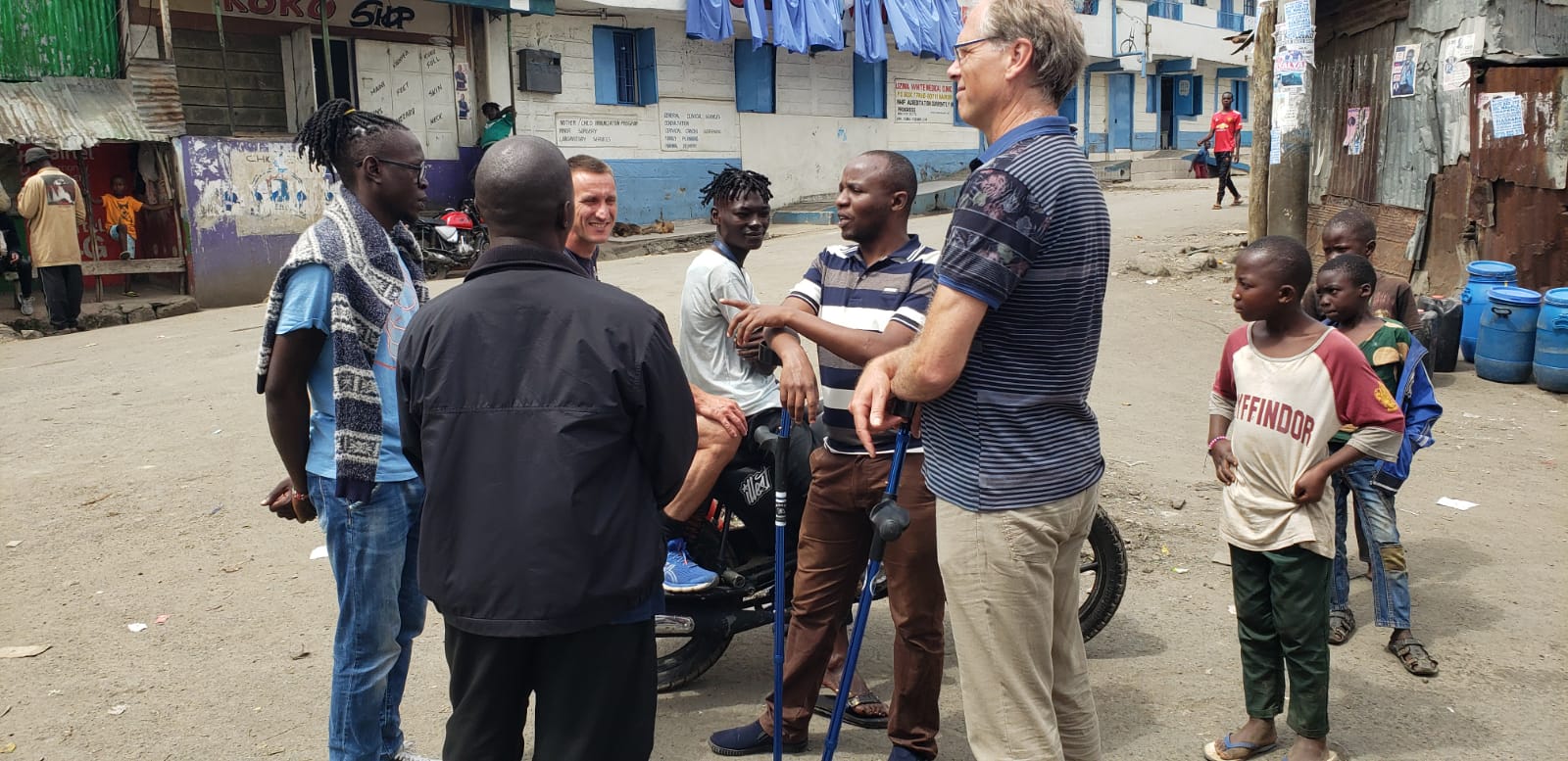
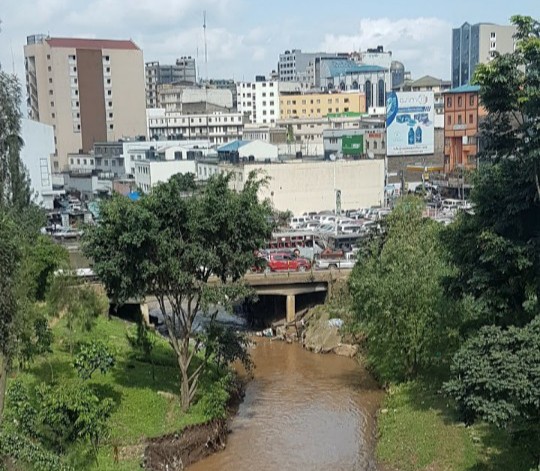
Access to electricity in Kenya’s informal settlements is shaped by a complex interplay between the national utility’s push for formal connections and continued demand for informal electricity supply. This results in a socio-technical environment filled with challenges as well as opportunities. Mathare, one of Nairobi’s oldest and most densely populated informal settlements with over 500,000 people living within approximately 3 square miles. Despite the push by Kenya Power and other stakeholders to provide formal electricity connections through various programs aimed at making connection affordable, many households still cannot afford formal electricity. Informal electricity suppliers bridge the energy access gap in the settlement by providing affordable electricity with flexible payment methods making it attractive to households.
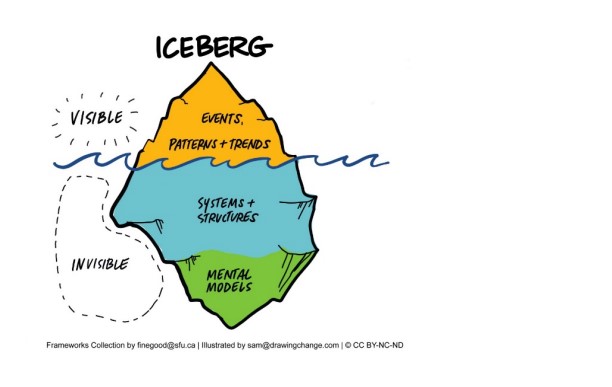
This research investigated the dynamics that perpetuate the current situation of informal electricity demand in informal settlements. Researchers from University College London and Nuvoni Centre for Innovation Research used Systems Thinking methodology to map out interconnections and root causes. Systems Thinking aims to make sense of complexity through simple visualization tools and concepts. The research explored mechanisms driving electricity demand dynamics through document analyses, expert validation, and multi-stakeholder workshops to collaboratively understand complex interconnections between issues of marginalization, national efforts towards formalization of electricity access, and potential unintended consequences of external interventions in community energy systems.
The project contributes to advancing equitable energy transitions in informal settlements through validating preliminary findings, illustrating in an accessible way the complex interconnections, collecting stakeholder input to refine understanding of causal effects, introducing practical systems concepts to help recognize and find solutions to systemic patterns, and strengthening collaborative relationships between communities, utilities, and policymakers.