The research takes forward the conceptual approach described as socio-technical innovation systems building, which was developed on the basis of in-depth historical analysis at Sussex on the solar home systems markets in Kenya and Tanzania, and on broader work on low carbon energy technologies in India and China, as well as insights from various literatures including innovation studies and socio-technical transitions theory.
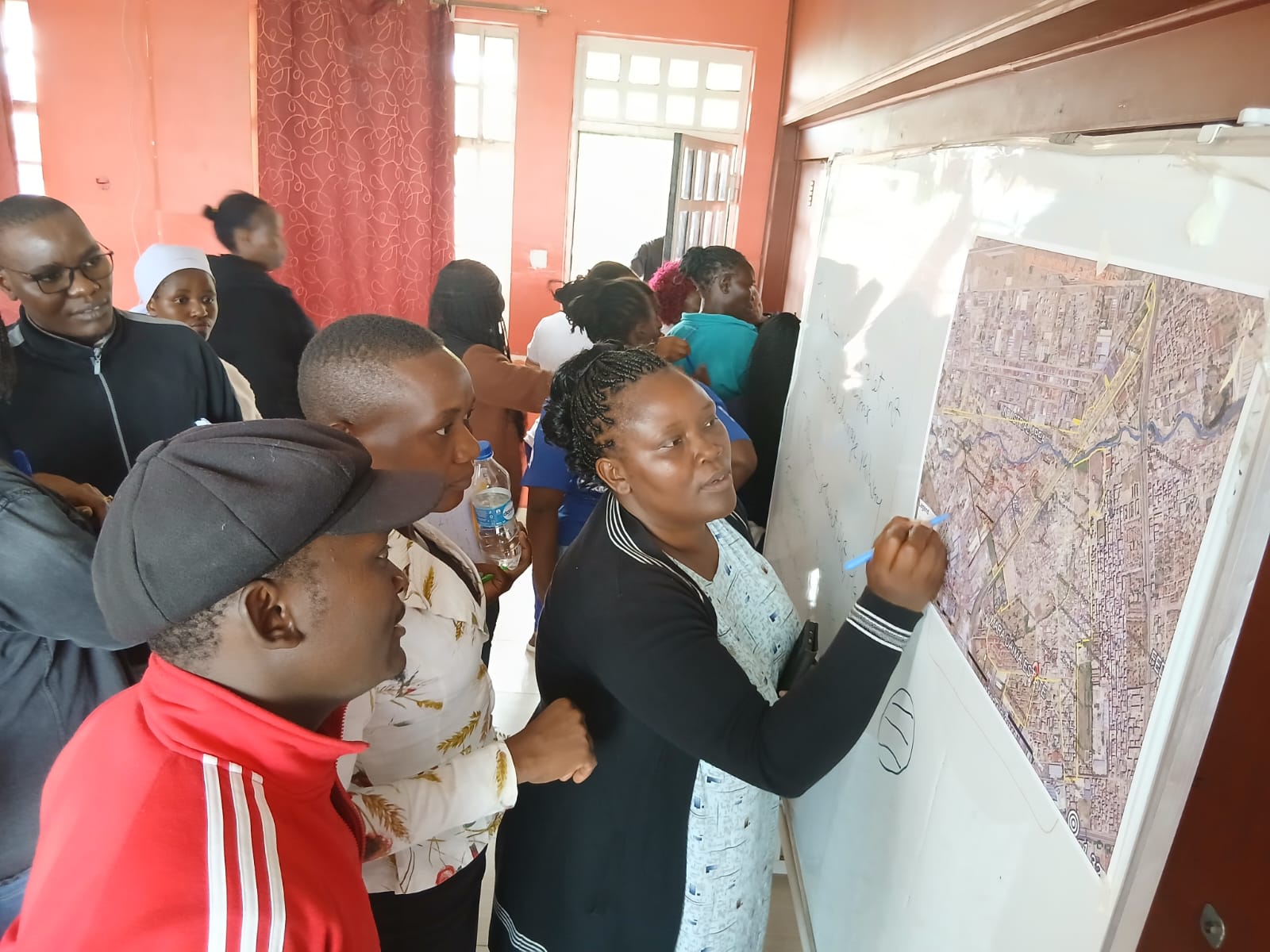
We operationalised the Participatory Impact Pathways Analysis (PIPA) method to map the existing innovation systems and identify existing pathways through which the MECS programme and the stakeholders it convenes might impact on these. This was followed by in-depth, semi-structured interviews to develop a more detailed picture of the strengths, weaknesses, and opportunities around MECS in each country.
The research team sought to intersect directly with existing and future research (at Loughborough) convened under the MECS programme on social practices around cooking in order to ensure the outputs of this stream are aligned with, or realistically seek to influence, existing cooking practices.