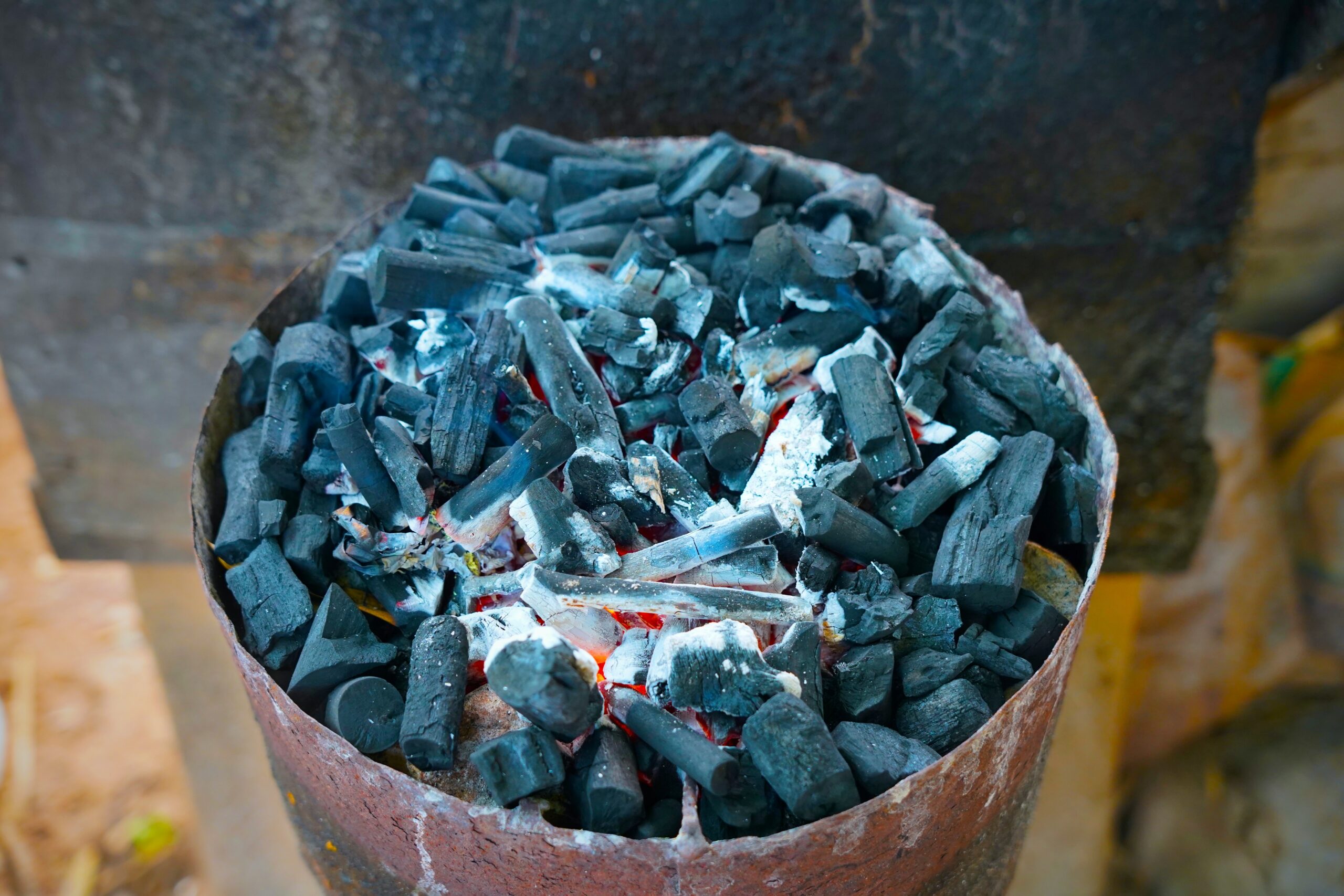
Sustainable Development Goal 7 calls for a transition to affordable, reliable, and clean cooking by 2030. However, about one billion people in sub-Saharan Africa (SSA) still cook with polluting biomass fuels and technologies such as charcoal and firewood burned in rudimentary stoves. The drive to substitute these traditional cooking practices with “clean” fuels manifests mostly in two pathways; improving combustion of biomass fuels with improved cooking stoves, and switching to alternative cleaner fuels like LPG, electricity, ethanol, among others.
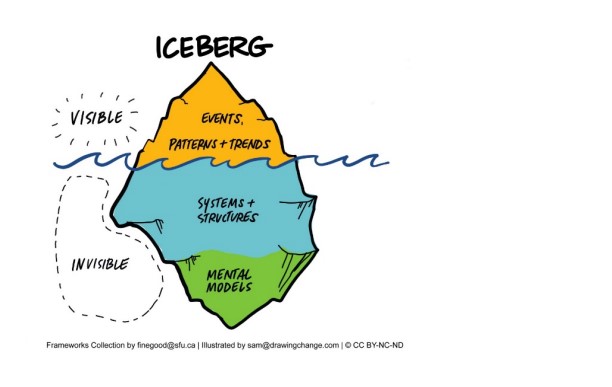
In recent years, policymakers have preferred the fuel substitution pathway, justified through the prerogatives of preventing deforestation, improving population health, and reducing drudgery for women. However, the evidence behind this is mixed, creating uncertainty and information asymmetries. Recent studies have found the links between biomass cooking and deforestation to be unclear and the tangible health impacts of fuel switches to be negligible. There is inadequate consideration of the detrimental aspects of promoting imported fuels over locally produced ones, which can be harmful to rural livelihoods, affordability of fuels, and sovereignty of supply chains. Clean cooking policymaking is complex, encompassing a diverse set of actors, agendas, and evidence, and is consequently failing to have its intended impact.
Building on existing science-policy interface and implementation science literature, this project aims to provide a context-specific understanding of how evidence is used to make policy decisions about biomass cooking (firewood and charcoal) and its substitution with clean cooking fuels in both Kenya and Tanzania. The project will then identify opportunities to bridge the gap between evidence, policy development, and implementation.