Please Add a Video Link.
Approximately 60% of Nairobi’s city population living in informal settlements face significant sustainability challenges such as poor housing, health, safety, disasters and unemployment. Top-down, government-driven upgrading by public housing programs has been observed to be overly expensive and often fail to reach the poorest, ending up in processes of gentrification. Consequently, participatory slum upgrading has received increasing attention from policy and research. The formalisation of Mukuru informal settlements through its declaration as a Special Planning Area (SPA) has spiked the appetite for research, settlement profiling and community mapping in other informal settlements in Nairobi with the aim of replicating the SPA approach.
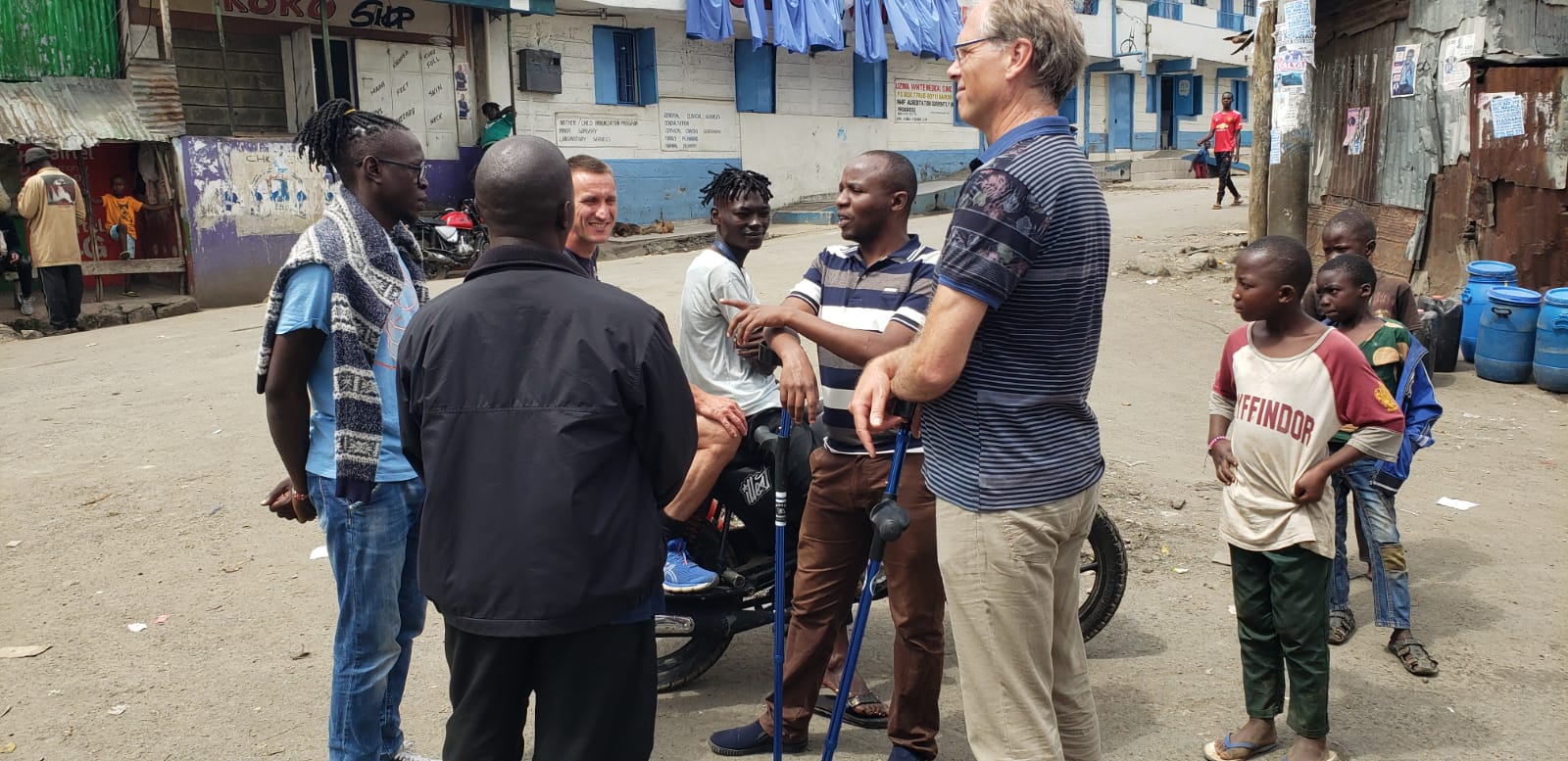
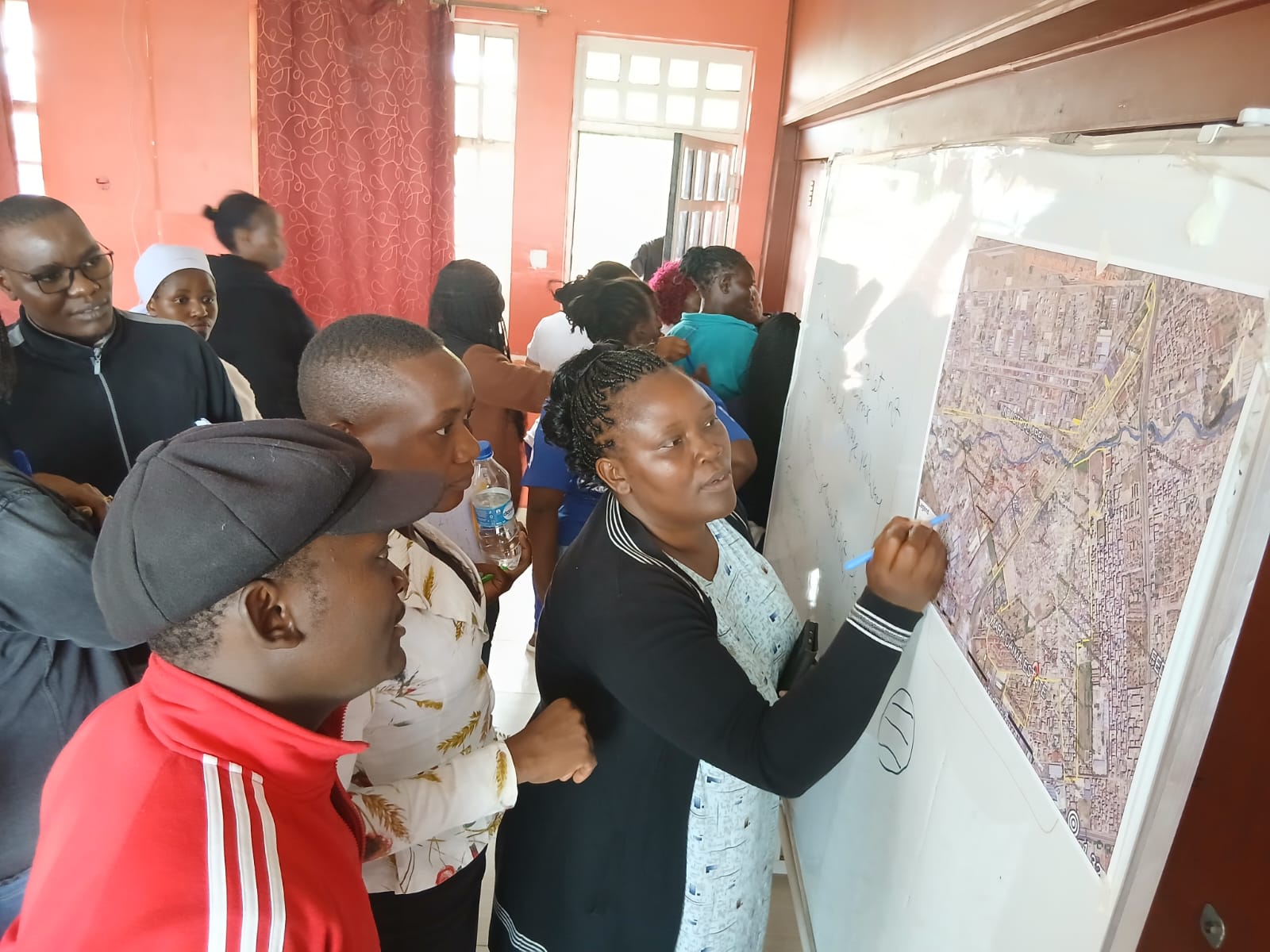
The academic team engaging with Community Researchers
While participatory research models have been employed in these undertakings, research agendas and data requirements are continually framed at the institutional level, and minimal linkages are drawn between visibly interdependent studies. Consequently, there is unsystematic research replication, information glut, and general failure in translating research to action, much to the disillusionment of the affected communities, which have expressed displeasure with impact-less research.
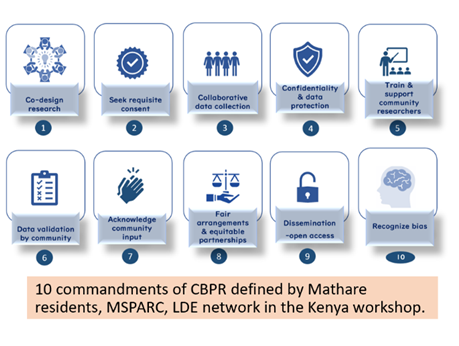
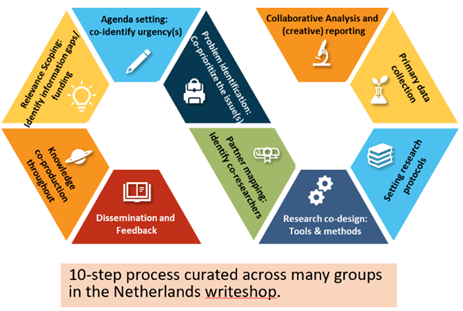
This project aimed to co-create an inclusive framework and establish partnerships for engaging communities in community-based participatory research (CBPR) and slum upgrading processes. Piloted in Mathare informal settlement, the project’s main objectives included examining the current participatory research methods used in informal settlements, analysing data related to slum upgrading, co-developing a framework for CBPR, and identifying urgent priorities for slum upgrading (SPA).
The study was conducted with the Mathare Special Planning Area Research Collective (MSPARC). We selected the study area, Mathare, because of the following reasons.
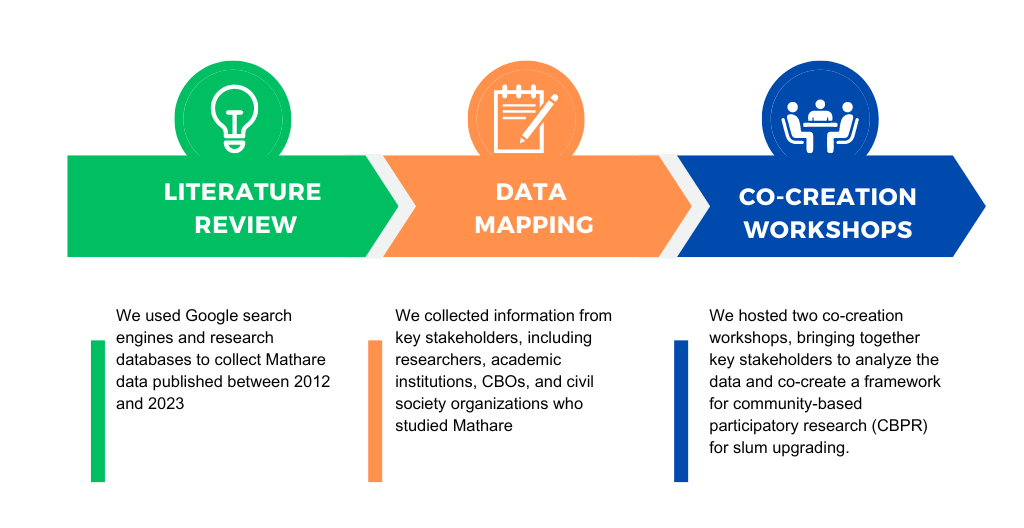
The study used a co-creation approach where key stakeholders in the research and planning of the Mathare settlement were involved in collecting and collating information, analysing data, and dissemination. We employed participatory processes throughout the stages of this study. The following summary describes the methods used.
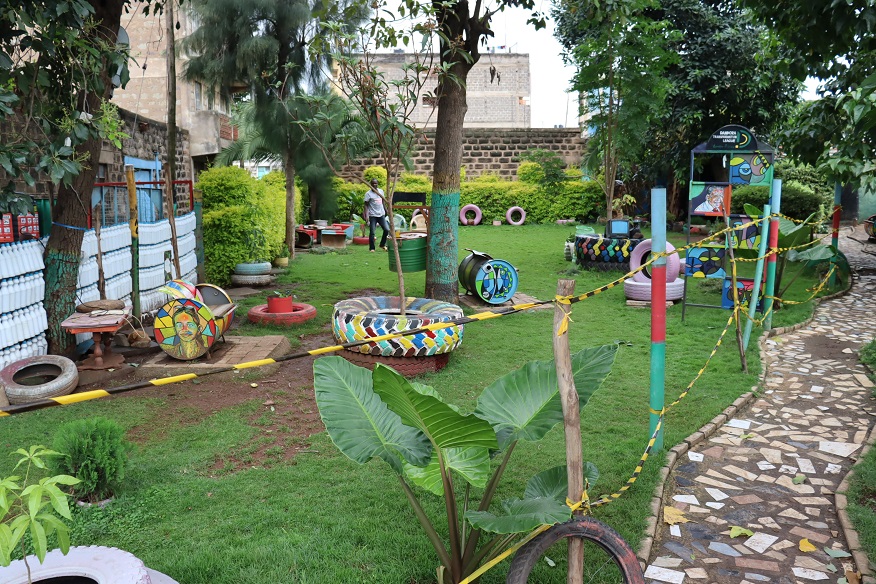
This study aimed to explore whether digital hubs can enhance the quality of life for residents in Nairobi’s informal settlements. It also examined what these hubs should look like to effectively address the specific needs and challenges of informal settlement residents. Additionally, the research considered whether this model could be replicated in other informal settlements. This aspect is crucial for the study’s potential contribution to shaping effective policy.
No. MK088, Ushindi West Avenue,
Mukuyu Rd (Mukuyu West Wing), Thome 1
Nairobi, Kenya
Office Tel: (+254) 20 8009928 |
Mobile: (+254) 706 324 467
© 2026 Nuvoni Research